
What you need to know about smishing attacks?
Smishing attacks are a form of cybercrime that combines SMS (Short Message Service) with phishing.
In these attacks, scammers send fake text messages to deceive recipients and extract personal or financial data. The term “smishing” derives from the combination of the words “SMS” and “phishing.”
Smishing attacks are particularly dangerous due to the high open rates of SMS messages and the increased trust users have in them compared to emails. These attacks may involve various techniques, such as sending messages that appear to come from banks, delivery services, or other trusted sources.
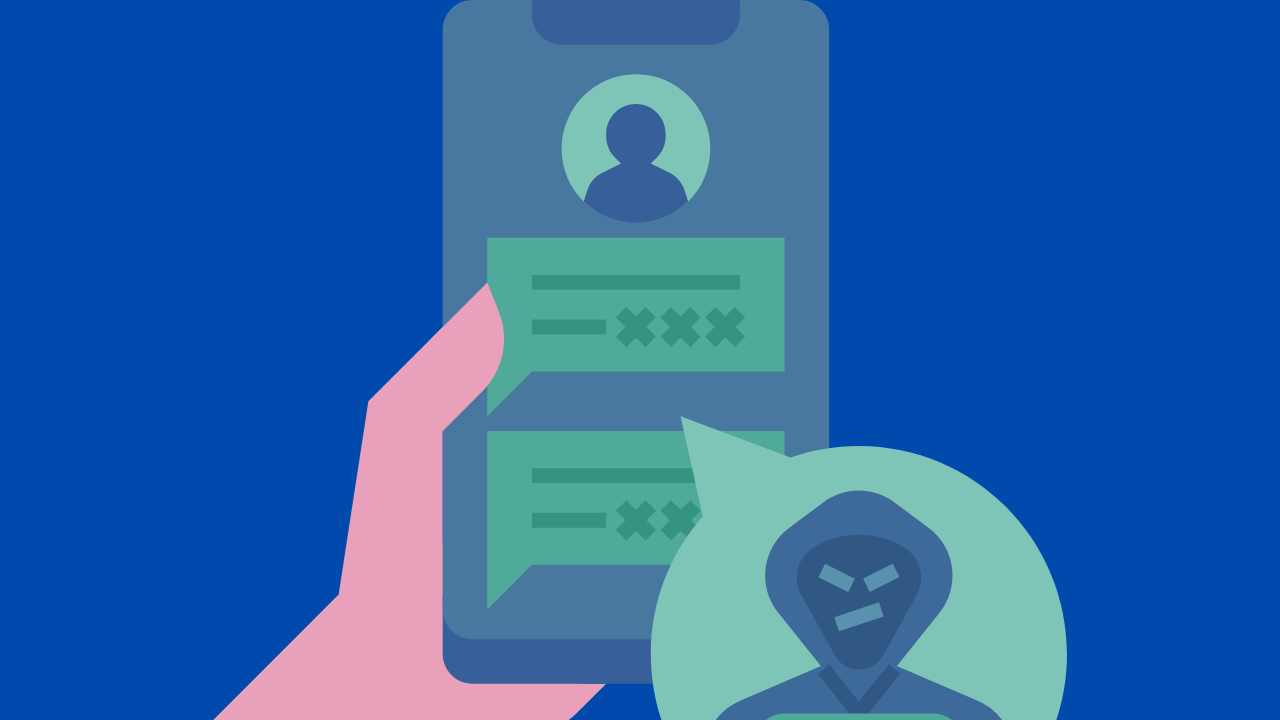
Smishing messages may contain links leading to malicious websites or fake instructions for account activation or password resets. Users who fall victim to these attacks may unintentionally disclose personal information, such as credit card numbers, passwords, or other sensitive data.
To protect yourself from smishing attacks, it is important to be cautious with the text messages you receive. Avoid clicking on links from unknown sources and do not provide personal information through SMS. Additionally, use reliable antivirus applications and security software on your mobile phone to enhance your protection.
Finally, if you suspect you have received a smishing message, report it to the appropriate authorities and contact the company or organization that supposedly sent the message to verify its authenticity.
