
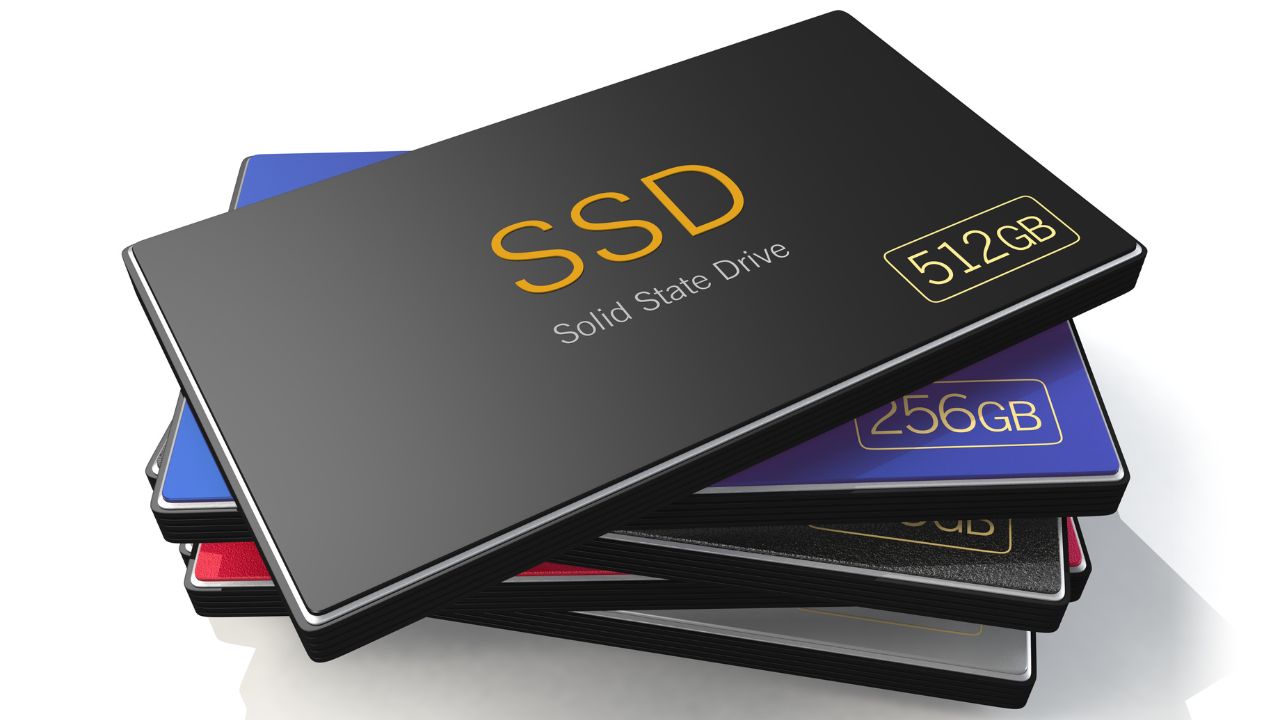
SSD: Fast and reliable data storage
The SSD (Solid State Drive) is a data storage device that uses flash memory to store data, in contrast to traditional hard drives (HDD) that use magnetic rotating disks.
The primary advantage of SSD is the speed. These devices can read and write data much faster than HDDs, significantly improving the performance of the computer.
SSDs do not have moving parts, making them more resistant to physical damage and wear. This makes them ideal for portable devices such as laptops and tablets, where durability and resilience are critical factors. Additionally, SSDs consume less power, which can extend the battery life of portable devices.
However, SSD have some disadvantages compared to HDDs. The main drawback is their storage capacity, as they are usually more expensive per GB of storage compared to HDDs, although their prices are continually dropping. Moreover, the lifespan of flash memory can be limited by the number of write and erase cycles. Nevertheless, modern SSDs now feature advanced technologies that increase their lifespan.

Overall, SSDs are an excellent choice for those who need fast and reliable data storage. Despite their higher cost and capacity limitations, the advantages of speed, durability, and power efficiency make SSDs a superior option for many users, especially for those using portable devices where these qualities are crucial.
