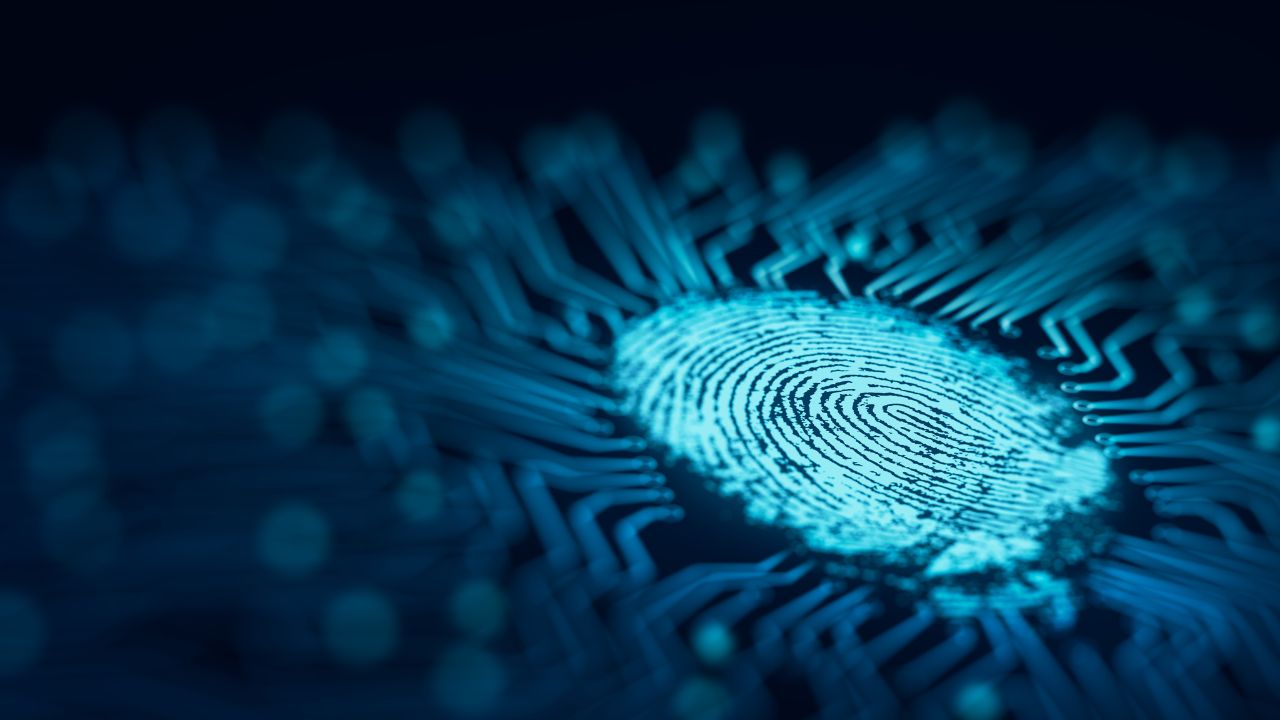
Biometric authentication, utilizing unique physical or behavioral characteristics such as fingerprints, facial features, or iris patterns, holds significant promise in enhancing security measures.
Unlike traditional passwords or PINs, biometrics offer a more personalized and secure method of authentication, theoretically reducing the risk of unauthorized access.
One of the key advantages of biometric security is its convenience. Users don’t need to remember complex passwords or carry physical tokens; their identity is verified through a quick scan or recognition process. This convenience can lead to increased user adoption and acceptance in various domains, from unlocking smartphones to accessing sensitive corporate data.
Moreover, biometric authentication can strengthen security measures by providing a higher level of accuracy in verifying identities. Each person’s biometric signature is unique, making it difficult for impostors to replicate or spoof. This uniqueness adds an extra layer of protection against identity theft or unauthorized access.
However, despite its promises, biometric security also presents several perils and challenges. Privacy concerns arise due to the collection and storage of sensitive biometric data. Unlike passwords, which can be changed if compromised, biometric features are immutable. Once compromised, individuals face a lifelong risk of identity theft.
Additionally, biometric systems are not foolproof. They can be vulnerable to spoofing attacks using high-resolution images or sophisticated techniques to mimic biometric traits. This vulnerability raises questions about the reliability and effectiveness of biometric authentication in high-stakes scenarios such as national security or financial transactions.
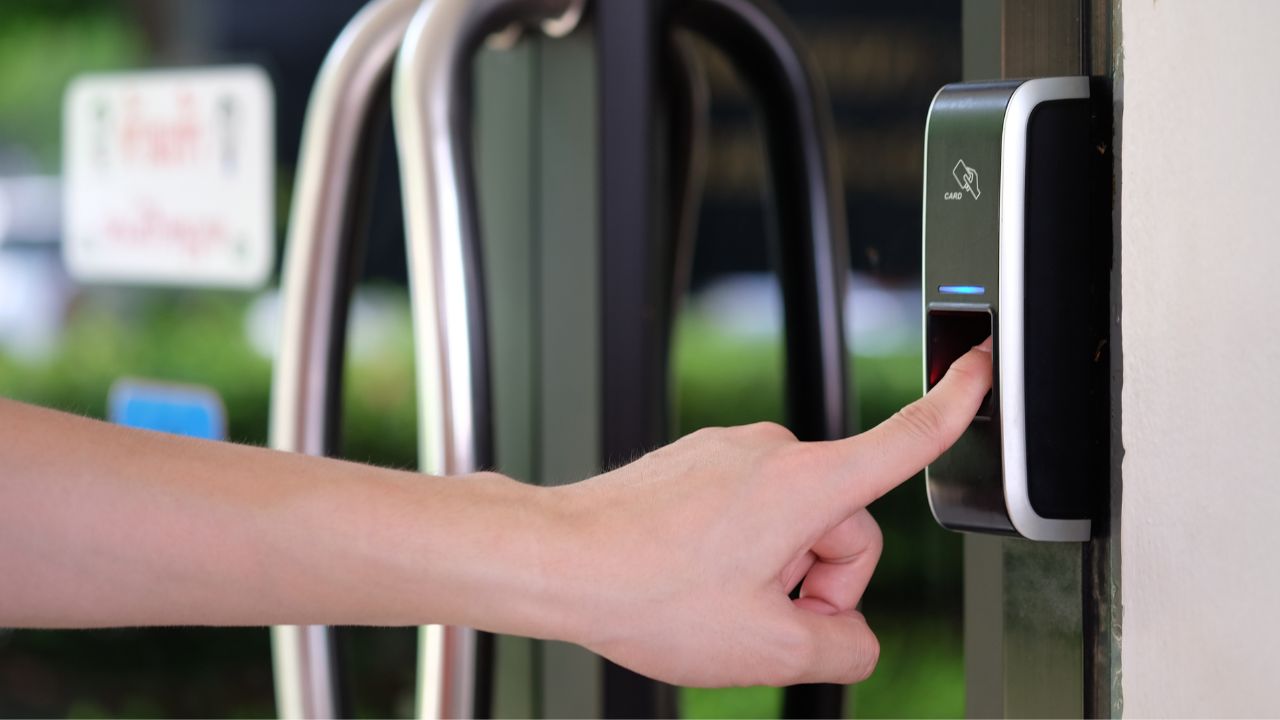
In conclusion, while biometric security offers a promising solution for enhancing authentication and access control, it’s essential to balance its benefits with the potential risks and challenges. Robust encryption methods, stringent privacy regulations, and ongoing research into anti-spoofing technologies are crucial in realizing the full potential of biometrics while mitigating its perils.